If you are searching for voice lessons in Mexico or a vocal coach in Mexico City, answer three questions before booking your first session: Does your coach evaluate your vocal function before giving you a single exercise, or launch straight into generic scales? Do they diagnose the physical state of your laryngeal instrument, or only focus on repertoire and pitch? Do they have formal training in laryngeal physiotherapy, or only performance experience in front of a microphone? Yes, I coach fluently in English—my professional background is rooted in musical theatre, and I work with English-language repertoire daily, both in-person in Mexico City and remotely for international students. Those three answers determine whether your voice builds solid technical mechanics or accumulates muscular compensations that end in fatigue, throat pain, or lost range.
What You Must Demand from a Voice Coach Before Starting
Before paying for a single session, verify that any coach meets these criteria, in this exact order of priority:
- Functional diagnosis before exercises. They must evaluate your voice—breathing, laryngeal coordination, physical tension—before prescribing vocalizes. Starting immediately with generic catalog exercises ignores your actual instrument.
- Formal training in laryngeal physiotherapy or vocal rehabilitation, not just a career as a singer or actor. Performing well on stage is not the same as diagnosing why a vocal apparatus fails.
- Clear professional boundaries. They must refer you to a medical specialist if an installed pathology is detected, never attempt treatment themselves.
- Documented methodology with clear phases (diagnosis → tension release → neuromuscular reprogramming → artistic application), rather than a vague “let’s see how you feel today.”
- Fluency in your performance language. Phrasing, speech rhythm, and text delivery require precise laryngeal mechanics in English or Spanish. I teach natively in both languages to ensure your repertoire translates accurately.
With these five filters, you can eliminate unfit options before spending time or money trying to identify a professional vocal coach. A practical, effective option is biomechanics-based online instruction (Online voice lessons: Master technique and musical expression with Vocalismo). The following sections detail why each criterion matters.

What Is a Vocal Coach and How Does it Differ from a Singing Teacher?
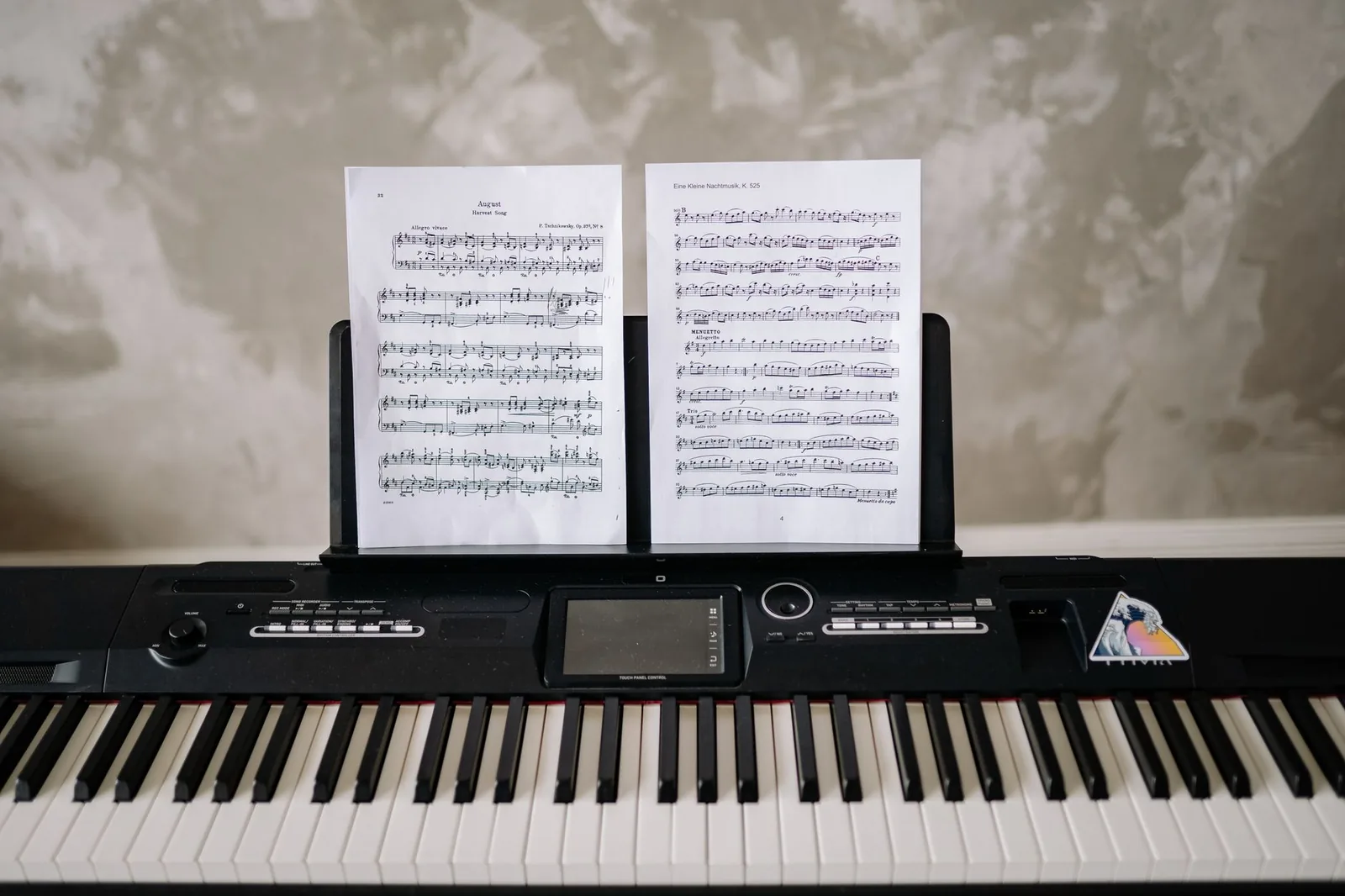
A traditional singing teacher usually focuses on song repertoire, pitch, and basic music theory. A specialized vocal coach goes further: addressing the physical function of your instrument—how you breathe, coordinate, and project—and connecting it directly to your artistic project. The difference is not cosmetic; it is structural. One teaches you songs; the other teaches your voice to sustain performance after performance, rehearsal after rehearsal.
A specialized mentor shortens your technical path. Instead of repeating generic vocal exercises from a video, you target what your specific laryngeal apparatus requires. That is why when deciding how to choose a professional vocal coach, you should ask how they evaluate your vocal function before handing you an exercise.
My approach starts by assessing what is physically happening in each student’s vocal tract. Once evaluated, I explain the diagnosis clearly. From there, we decide if the immediate work requires musical refinement, manual therapy to release muscle tension, or both. Custom exercises follow, which you apply directly to your songs. The challenge is not learning new technique—it is unlearning incorrect muscular compensations.
Technical Fundamentals: The Base of a Healthy, Powerful Voice
Before discussing style or repertoire, we must address mechanics. The vocal apparatus is a system of muscles, cartilages, and membranes working together: the vocal folds vibrate, the larynx adjusts in height and tension, and resonance cavities amplify sound. When this system operates freely, without added tension, the voice responds with less effort and greater stamina.
I constantly correct a major myth regarding breathing: the diaphragm is an involuntary muscle; you cannot control it at will. It contracts, lowers, and takes a dome shape like a parachute during inhalation. The moment you exhale, sing, or speak, it relaxes and returns to its natural position. When someone tries to “support from the diaphragm” by squeezing, pulling in, or pushing out their abdomen, they only create unnecessary muscular tension. What actually supports sound is a steady, balanced air column—neither too much nor too little—allowing the vocal folds to phonate freely without strain.
I see this shift continuously in singers who arrive with misconceptions about the diaphragm: as soon as they understand the mechanics, sound flows without strain, natural vibrato emerges, and progress accelerates.
Resonance, placement, and vocal registers form the next layer. You do not work on them by intuition or copying another singer on video. You build them through technical mastery based on biomechanics tailored to your specific instrument, because every voice requires targeted exercises. That is why training based on vocal biomechanics prevents injury: it identifies excess tension before it turns into pain or hoarseness. You can consult this guide to find the best vocal coach specialized in biomechanics. Let me be clear: pain or hoarseness after singing is never normal. It signals muscle compensation and must be corrected immediately.
Musicality: The Art of Inhabiting the Melody
With physical function resolved, we move to musicality, which is a technical discipline in itself. Interpreting phrasing and dynamics means deciding where a phrase breathes, expands, or retreats. This is not something to improvise on stage; it is built with deliberate intent, reading the sheet music and text simultaneously.
Rhythm and vocal expression are closely linked. Singing a note half a beat early or late changes the emotional delivery completely. That is why I work on musicality as part of the initial evaluation, not as a late addition: understanding the intent behind each note separates pitch-perfect singers from compelling communicators.
To gain fluidity, the vocal exercises used in session are never isolated scales. They connect directly to real song phrasing, ensuring technical work translates to your repertoire instead of remaining in abstract vocalizations. This consistent work sustainably refines intonation without forcing the larynx.
Interpretation and Storytelling: Tell a Story Through Your Voice
Emotional connection to text starts with understanding what the lyrics actually convey, not feeling vague emotions while singing. If your body compensates for physical tension, expressive freedom is impossible—only effort disguised as emotion. That is why I insist: diagnosis first, technique second, artistic expression last. In that exact order, never reversed.
Vocal timbre projects personality. After more than 20 years as an actor and singer in professional musical theatre in Mexico City—in major productions like The Phantom of the Opera and Las Meninas—I know audiences don’t dissect acting versus technique; they know whether they believe the character. That is where acting techniques applied to singing come in, such as clarifying the character’s intent on every line before focusing on pitch.
Finding your unique artistic identity does not mean copying someone else’s style. It means recognizing which resources of your own instrument tell your story best. You discover this only when physical mechanics no longer demand conscious effort, leaving your full focus for storytelling.
Analyzing Great Performers: Learning from the Best
Analyzing established artists is a valuable tool when approached with technical rigor rather than blind imitation. Breaking down an artist’s vocal delivery means identifying which technical tools they use intentionally—such as controlled distortion, specific vibrato, or placement—and which elements belong to their unique, unrepeatable vocal anatomy.
Identifying these technical mechanisms lets you adapt them rather than copy them. What works safely for one voice can injure another if applied without understanding laryngeal anatomy and function. This is where proper vocal pedagogy differs from learning from online videos: every instrument is distinct and needs individualized development.
The most common mistake I see in singers starting out is picking up social media tips and repeating them without considering their unique anatomy. Plenty of information exists online, but most singers repeat habits without investigating mechanics. That leads to strain, stagnation, or vocal setback. Guided case studies help identify correct mechanics and avoid common pitfalls before they become ingrained habits.
Bio-Vocal Coaching™ Methodology: Your Path to Vocal Mastery
My methodology, the Bio-Vocal Coaching™ method, was built from my experience on stage: four-month runs, eight shows a week, ten-hour rehearsal days. That environment taught me that an un-diagnosed voice cannot sustain that workload. I don’t guess; I diagnose.
The process follows a strict structure. First, functional diagnosis: a thorough vocal assessment before any exercise to identify which muscles, habits, or tensions restrict your voice. Next, manual therapy, where we release physical tension in the neck, larynx, and related phonatory muscles. On that free foundation, we execute neuromuscular reprogramming: establishing correct coordination for high notes, stamina, projection, and mixed voice. Only then do we tackle artistic execution: style, vocal identity, and acting on a balanced instrument.
This is a professional training method for singers that I deliver in 45-minute individual sessions—in-person in Naucalpan (State of Mexico) and Mexico City, or via online voice lessons with a professional focus for singers across North America, Latin America, and Europe. Every session combines acoustic analysis, functional assessment, and customized technical work. I also conduct vocal ensemble workshops focused on musical theatre production or group repertoire.
Progress tracking relies on empirical evidence from your initial diagnosis, monitoring how laryngeal function evolves across sessions. While individual coaching is foundational, ensemble workshop participants gain an added benefit: a cast to collaborate with and a real stage to perform on, rather than singing only for a studio mirror.
I am always clear with my clients: I am not a medical doctor. I am a vocal coach and physiotherapist focused on laryngeal habilitation. If I detect an active pathology, medical referral is mandatory before continuing any training. That clarity is the very first standard you should demand from any vocal coach before trusting them with your voice.
Frequently Asked Questions
What is the difference between a singing teacher and a vocal coach?
A singing teacher typically focuses on song repertoire and musicality. A vocal coach first addresses the physical mechanics of the instrument—breathing, laryngeal coordination, resonance—and builds artistic interpretation on that balanced foundation. Without this order, musical progress relies on accumulated tension.
Do you offer voice lessons in English in Mexico City and online?
Yes. I coach natively in English and work with international singers living in Mexico City, as well as remote students across the US, Canada, and Europe. Whether working on Broadway musical theatre repertoire or pop/rock, session feedback and technical explanations are delivered directly in English.
How can experienced singers improve technical efficiency?
Years of stage experience do not guarantee tension-free singing. Many experienced performers carry muscular compensations, working harder than necessary without realizing it. The starting point remains a functional diagnosis that reveals what your physical apparatus is actually doing when you sing, rather than what you assume it is doing.
What is included in a vocal training session?
Individual sessions run for 45 minutes and include a functional vocal assessment, analysis of laryngeal restrictions, manual therapy when required, and customized exercises for your specific mechanics—in-person in Mexico City / State of Mexico or online globally.
Can non-professional singers improve musical interpretation?
Yes. Compelling interpretation does not require a professional career; it requires that physical mechanics no longer demand conscious strain. When your body stops compensating for tension, you can devote your full attention to telling the song’s story, whether performing on a major stage or pursuing a personal project.
Before trying another exercise, understand what is happening in your voice
In a vocal diagnosis session, we evaluate your laryngeal function, pinpoint the tension restricting your technique, and show you exactly where to start.