Introduction to Vocal Analysis for Singers
In my studio in Bosques de Echegaray (Naucalpan, Mexico City area), I regularly receive singers and musical theatre actors who arrive completely frustrated. Many have spent years practicing daily scales at the piano, yet their voices fatigue halfway through the week or they finish performances with throat discomfort. The reason for this plateau is simple: running generic exercises without understanding what is physically happening in your vocal tract is a waste of time. A professional vocal analysis for singers is neither an aesthetic critique nor a list of compliments about your timbre. It is a rigorous auditory and biomechanical evaluation designed to determine exactly how your instrument functions under real demand and optimize laryngeal function for demanding productions.

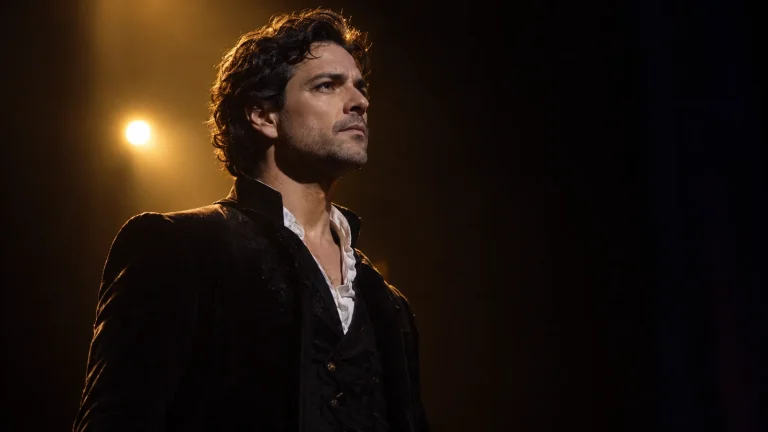
I coach fully in English and Spanish, working in-person with performers living in Mexico City as well as international clients training remotely online. A professional vocal analysis serves a clear pedagogical and functional purpose. It maps neuromuscular coordinations, identifies harmful muscular compensations, and determines the precise mechanical adjustments required to perform in high-demand productions without breaking down. I have spent over 20 years performing in Mexico City musical theatre productions, including The Phantom of the Opera and Las Meninas. I know exactly what it takes to survive four-month seasons singing eight shows a week, enduring hours of staging rehearsals, coaching students, and speaking daily. At that level of demand, your voice will not survive on good intentions; it survives on efficient, balanced laryngeal function.
I am always clear with my clients: I am not a medical doctor, and I am not a licensed physiotherapist. I am a vocal coach with training in applied laryngeal physiotherapy for singing and voice. My clinical training includes certification as an Advanced Vocal Coach with Modern Vocal Training, Applied Vocology studies, and manual laryngeal physiotherapy training through The Voice Care Centre in the United Kingdom. If I suspect an organic pathology (such as nodules, polyps, cysts, or paresis), medical referral to an ENT or phoniatrician is mandatory. When a singer has already been diagnosed with an injury, I do not work around their doctor — I work with them: from the diagnosis the specialist issued, and only once that specialist has cleared them for voice work. What I do then is habilitation: building the function the voice needs to work efficiently. It is not rehabilitation, which belongs to the medical team treating the injury. The manual therapy and training within my Bio-Vocal Coaching™ system are strictly designed for the functional habilitation of healthy or medically cleared singers.
Genuine artistic growth requires a prior functional assessment. We must draw a precise line between pure mechanics and biomechanics-based vocal technique oriented toward musical performance. Pure technique evaluates mechanical efficiency: how the vocal folds close, how the air column is managed, and how much unnecessary tension exists in the vocal tract. Musical interpretation covers stylistic choices, phrasing, and dramatic delivery. If the physical foundation fails, interpretation becomes nothing more than mechanical strain disguised as emotion. In my studio, my initial approach to functional laryngeal assessment for singers eliminates guesswork and directly targets the mechanical causes of your sound.
The Core Pillars: Technique, Musicality, and Artistry

Building a professional voice requires a clear hierarchy where each element fulfills a specific role. In my studio, we follow a strict sequence: Assessment first, then technique, and finally artistic expression. Inverting this order is the leading cause of vocal injuries and chronic fatigue in the entertainment industry.
- The technical foundation as sound support: Vocal technique is not a bag of tricks to sound pretty. It is the physical ability to coordinate intrinsic and extrinsic laryngeal muscles without triggering compensatory tension. A strong technical base ensures neuromuscular endurance under high stress, such as sudden climate shifts, physical exhaustion, or heavy stage costumes.
- How musicality defines your unique style: Musicality is the conscious control of timing, dynamics, precise intonation, and rhythmic agility. A singer with a healthy biomechanical baseline can explore the nuances of pop, R&B, rock, jazz, or musical theatre repertoire without endangering their vocal folds. Musicality flourishes only when the instrument is not fighting to survive the pitch.
- The role of emotional intention in every phrase: Emotion in singing must stem from an interpretive choice, never from a lack of physical control. When a singer tries to convey drama by squeezing their neck or overblowing air, they are not expressing; they are compensating. True stage authenticity is sustainable physical function, not an uncontrolled feeling that leaves the performer voiceless after two songs.
- Balancing physical control and artistic freedom: The goal of training is not to turn you into a mechanical robot, but to give you complete freedom. When neuromuscular coordinations are automated through a functional assessment for healthy voice use, you can focus 100% of your energy on storytelling without fearing hoarseness or vocal fatigue mid-show.
Persistent myths in vocal pedagogy constantly disrupt this balance. The most common and damaging instruction is to “sing from the diaphragm.” Let me be blunt: you do not sing with your diaphragm. The diaphragm is an involuntary, dome-shaped muscle that contracts actively during inhalation. By descending, it creates the negative pressure that draws air into the lungs. During exhalation and singing, the diaphragm relaxes and returns automatically to its resting position. Anyone trying to “manipulate the diaphragm” by clenching, sucking in, or pushing their abdomen outward only succeeds in locking pelvic dynamics, freezing the abdominal wall, and transferring severe accumulated tension directly to the larynx.
Evaluating Vocal Registers and Range
Evaluating a singer’s vocal range requires rigorous observation of vocal fold behavior across different pitches. Range is not measured by banging piano keys to see how high you can yell. It is evaluated by determining the span where sound is produced with muscular balance and zero pain. Experiencing burning, raspiness, or pain in your throat after singing is never normal.
A professional technical evaluation focuses on three key observational areas:
Identifying Registers: Chest, Head, and Mix
Chest voice relies on a thicker vocal fold mass (predominance of the thyroarytenoid muscle). It produces a sound rich in low harmonics and a strong sensation of resonance in the chest cavity. Head voice involves stretching and thinning the vocal folds (predominance of the cricothyroid muscle), reducing the contact surface area. Mixed voice is not a third resonating chamber; it is the precise neuromuscular coordination between both muscle groups to maintain a smooth shift in vocal weight without sudden breaks in mass or pressure.
Analyzing Passaggio Transitions and Vocal Breaks
Vocal breaks (the passaggio) happen when the laryngeal system fails to transition mass smoothly. When the body cannot lengthen the vocal folds gradually, it defaults to severe compensations: hiking the larynx excessively, locking the jaw, or over-pressurizing the air column. During an assessment session, I evaluate whether a vocal break is caused by lack of coordination or by accumulated tension in the extrinsic neck muscles.
Acoustic Consistency and Long-Term Vocal Health
Maintaining a consistent timbre across octaves requires dynamic vocal tract adjustments rather than brute force. If hitting a high note forces you to tighten your neck or jut your jaw forward, you are reinforcing an inefficient motor pattern. A prior functional assessment of the larynx catches these mechanical flaws before they solidify into hard-to-break habits. The longevity of a vocal career depends entirely on how efficiently you navigate your register transitions night after night.
Analyzing Breath Support and Phrasing
Severe confusion surrounds the terms “support” and “breath control.” Most singers equate them with squeezing the abdomen or bearing down. In my laryngeal habilitation work, I define breath support biomechanically: it is the precise equilibrium between the ascending air column from the lungs and the passive and active resistance of the vocal folds, without hyperfunction or violent glottal collision.
To manage this under performance pressure, I apply three core rules in my studio: do not rush, do not shout, do not push.
- Do not rush: Respect the physiological timing of inhalation and articulation. Inhaling in a hurry destabilizes laryngeal posture and recruits accessory neck muscles (scalenes and sternocleidomastoids), generating tension before you even phonate.
- Do not shout: Increasing volume by over-opening the mouth or forcing acoustic space does not produce projection; it produces vocal wear. True projection is the result of clean vocal tract acoustics and unrestricted phonation.
- Do not push: Monitor your subglottic pressure strictly. If you deliver an excessive, violent blast of air beneath the folds, the resulting collision inflames the tissue. Over time, this chronic habit creates severe fatigue and can cause organic lesions requiring specialized medical care.
In complex phrasing, airflow management dictates pitch stability on sustained notes and precision in articulation. Support is not abdominal rigidity; it is the steady, metered delivery of airflow. When the air column is stable, the vocal folds phonate cleanly. This allows natural vibrato to emerge without forced oscillation, enabling long phrases with complete musical fluidity. To assess these parameters in depth, I conduct a functional vocal tract evaluation analyzing the relationship between airflow and laryngeal response.
Vocal Dynamics and Interpretation
Musical interpretation is where technique serves the artistic work. However, you cannot build a believable performance on a physically unstable instrument. When muscular compensations are present, your ability to regulate volume or shade tone is severely compromised.
In a professional vocal analysis, interpretive assessment covers four central elements:
Dynamic Volume Control Through Crescendo and Decrescendo
True dynamic control is not squeezing your throat to sing soft (pianissimo) or blasting air to sing loud (fortissimo). Moving from piano to forte requires coordinating glottal adduction with subglottic pressure adjustments. If a singer loses intonation or turns breathy when lowering volume, they lack neuromuscular control over vocal fold closure.
Using Vocal Color for Specific Emotional Delivery
Vocal color is shaped by adjusting the geometry of the vocal tract: laryngeal height, pharyngeal space, soft palate position, and lip shape. A singer can choose a darker or brighter timbre based on the character or song. My job as a vocal coach is to verify that these tonal shifts are conscious artistic choices, not fixed postures caused by jaw or tongue root tension.
Diction and Articulation in Interpretive Performance
Crisp diction is essential to connect with an audience, especially in demanding genres like musical theatre and commercial contemporary music. However, overly aggressive articulation can tighten the suprahyoid area and lock the larynx. During an analysis, I observe whether the jaw, lips, and tongue move independently, allowing words to be clear without interfering with efficient phonation.
Emotional Connection Without Biomechanical Strain
Emotion should flow freely, but it can only do so once the body stops fighting itself. When a performer completes a process of functional assessment and neuromuscular reprogramming, their body knows how to execute demanding phrases without excessive effort. This provides the physical security to act, move, and dance on stage knowing the voice will deliver from opening night to the final performance of the week. That security is what separates a performer who survives a run from one who grows through it: when the larynx is free of compensatory tension, emotional truth stops being a risk and becomes something you can repeat, night after night, without paying for it with your instrument.
Practical Guide to Conducting a Professional Vocal Analysis
For vocal coaches, singing teachers, musical directors seeking a structured analytical process, or singers wanting to self-evaluate objectively, I recommend a systematic methodology based on clear observation. When analyzing a singer—whether live in the studio or via video evaluation—we must look beyond surface aesthetics and investigate the underlying mechanics.
Steps to Identify Recurring Technical Patterns
- Postural and external biomechanical observation: Examine head, neck, and shoulder alignment. Note sudden head tilts, chin jutting on high notes, anterior chain tension, or visible strain in the sternocleidomastoid muscles.
- Phonatory dynamics evaluation: Listen to the acoustic tone. Is it breathy, pressed, constricted, or resonant? Determine whether the voice maintains acoustic balance or if the singer is forcing air to sustain the phrase.
- Operational context analysis: Account for real-world demands. Is the artist executing demanding choreography? Are they weeks into a touring schedule? Have they recently been ill? External stressors directly impact physical response.
- Differentiating style from harmful compensation: Distinguish intentional stylistic choices (such as controlled vocal rasp or intentional breathiness) from involuntary mechanical tics without which the singer cannot produce the note.
Observation Tools and Objective Feedback
Technology is an essential studio tool. I use acoustic analysis and video recording so singers can see exactly what compensations they make while singing. Many performers are convinced they are “supporting with their abdomen,” only to watch the video and realize they are shortening their neck and clenching their jaw. Video feedback aligns subjective perception with objective biomechanical reality.
When delivering feedback, avoid vague comments like “use more air” or “sing with more feeling.” Feedback must be direct, concrete, and centered on physical function. When you identify an issue, explain the biomechanical cause and provide a specific technical adjustment or manual release. For example, instead of demanding “more volume,” teach the singer to release neck tension so the natural resonance of the vocal tract can do the work.
Regular technical assessment must be the foundation of any serious vocal training regimen. The human voice is dynamic; it shifts with workload, age, rest, and stress. Regular functional checkups prevent neuromuscular wear and protect your performance longevity on stage.
Frequently Asked Questions
What is a professional vocal analysis?
A professional vocal analysis is an in-depth evaluation of a singer’s vocal mechanism. Unlike an aesthetic critique, it examines laryngeal behavior, airflow management, compensatory muscle tension, register transitions, and vocal tract acoustic efficiency through auditory and biomechanical observation.
How does technique differ from musical interpretation?
Vocal technique governs the biomechanics and health of your instrument: how the laryngeal muscles coordinate, how the air column is balanced, and how fatigue is prevented. Musical interpretation is the artistic application of that physical base: phrasing, dynamics, stylistic nuance, and emotional delivery. Technique provides the physical capacity to execute what the artistry demands.
How can a technical analysis improve vocal range?
Expanding your vocal range requires identifying where muscular blockages and register breaks occur. Rather than pushing high notes with throat tension or excessive breath pressure, a technical analysis identifies missing coordinations between the thyroarytenoid and cricothyroid muscles. Correcting compensations and freeing the larynx allows top and bottom notes to emerge smoothly, safely, and consistently.
Why is analyzing musicality essential in singing?
Evaluating musicality confirms whether a singer possesses rhythmic precision, pitch accuracy, dynamic control, and genre-appropriate phrasing. Solid musicality proves that the artist is not struggling against their physical instrument to stay in tune or on time, but has the biomechanical freedom to deliver an exceptional performance.
Conclusion: Unlock Your Voice with an Objective Assessment
A rigorous, biomechanics-based vocal analysis for singers is the definitive tool to eliminate technical compensations, prevent fatigue, and unleash your expressive potential. Understanding how your vocal instrument operates gives you the reliability you need for high-stakes performances and demanding schedules. If you want to know the true state of your voice and optimize your stage performance, the next step is an objective, hands-on evaluation of where your technique currently stands.
Does your voice fatigue or fail to deliver on stage?
In a functional assessment session, we evaluate your vocal biomechanics in detail to identify the tensions holding back your real performance.
Sources and further reading
- NIDCD (National Institutes of Health) — Taking Care of Your Voice
- American Speech-Language-Hearing Association — Voice Disorders
- The Voice Foundation — Understanding Voice Production
- NIDCD — Vocal Fold Paralysis
- The Voice Care Centre (UK) — where I trained in manual laryngeal work
- Modern Vocal Training — my Advanced Vocal Coach certification